Fine dining… without the fuss
Head chef Mike McAllister on his approach to food and dining at Rústico
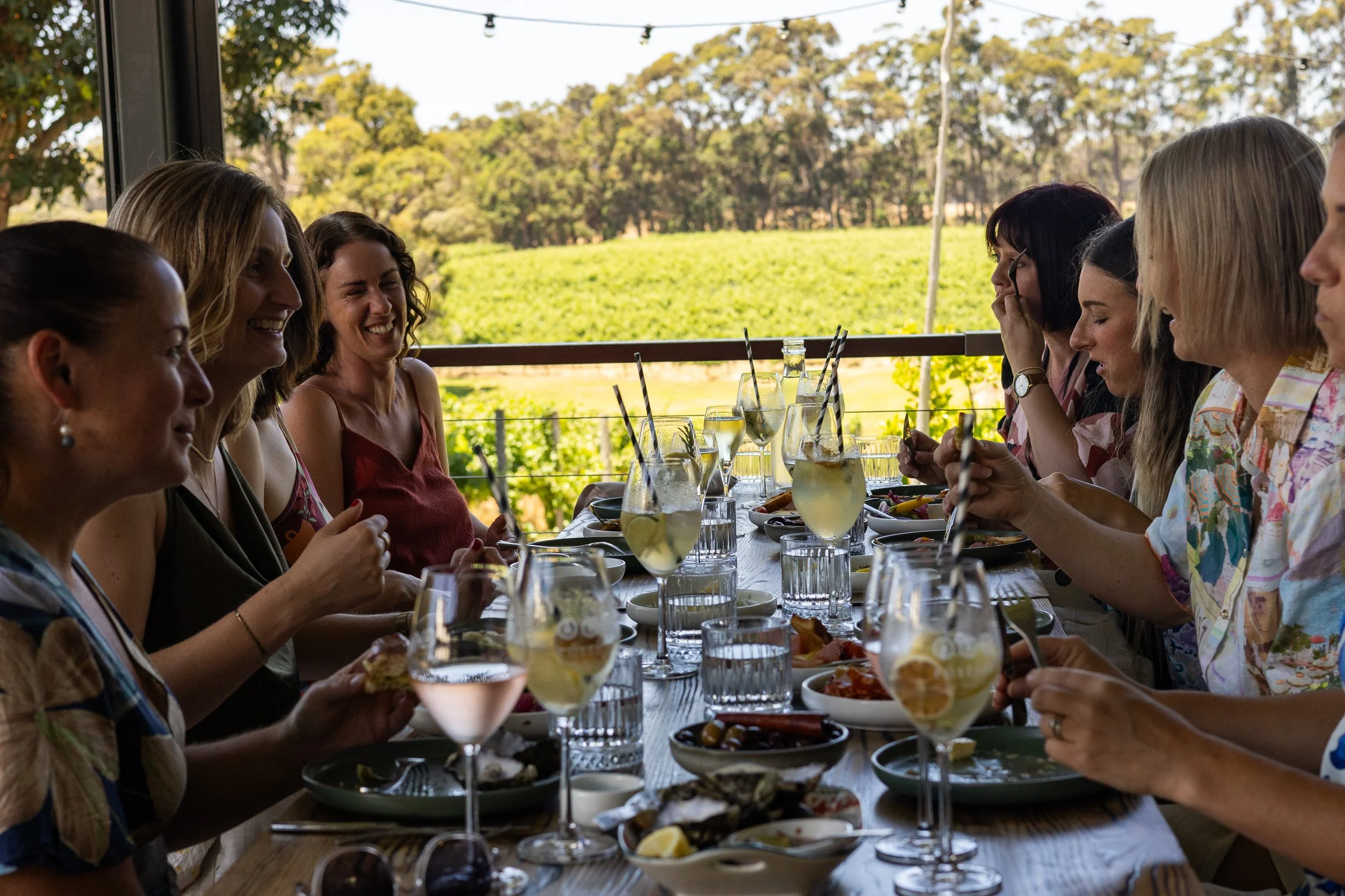
Out on the sun-drenched deck, gazing out to the vines, a young couple raises a glass of sparkling and slurp indulgently on freshly opened Albany oysters with a splash of cucumber granita. They’re happy.
In the dining room, four old friends ponder a spread from the day’s tasting menu: Spanish salumi with pickled peppers and house made sourdough focaccia; a silken chicken liver parfait with crunchy super-fresh crudites; and a round of grilled WA caught scallops for everyone served on a pear puree with a slice of house-cured duck jamon. They’ve gone the Reserve Pairing route: a glass of textured old Riesling from the Hay Shed Hill vaults.
The smiles, the conversation, tell the story.
While at the next table, in a scenario seen all too frequently, a retired couple on perennial circumnavigation of the country clutch take-home parcels because, frankly, their appetites have been well and truly satisfied by the time their fifth course arrived. They’ll have Basque cheesecake with miso caramel and chilli honeycomb, and a piece of Manchego with a few condiments, for supper. Thank you.
All over the restaurant, in different permutations of the dining dynamic, friends and families have gathered for an experience contrived to walk a fine line between “special” and “unpretentious.” Fine dining, without the fuss.
It’s in the Rústico DNA.
From the dining room vibe to the warm and approachable attitude of our service staff; the way our cocktails are mixed and presented to the detail in our dietary dish replacement folders; and most importantly the way head chef Mike McCallister feels dining should be in a vineyard in 2025, Rustico’s mission statement has always been to over-deliver. To deliver food and hospitality that surpasses expectations.
“The South West has some very special dining-out, no question,” says McAllister. “There’s a clutch of boundary-pushing – quite expensive – restaurants doing their version of fine dining. Some of it is brilliant. And there’s plenty of informal, robust food around too.
“What we’re aiming for here, and what I think we’ve refined in the ten years since we opened in Wilyabrup, is understanding.”
It’s the harmony that develops over time – it has to be organic – of community, audience, front of house staff and kitchen.
“With hindsight,” says McAllister, “in a region with so many incredible places to choose from and with a vast variety of menus, we needed to understand ourselves and what is important to us.”
Ten years in, well, it’s a process of constant, subtle refinement. But it all germinates from the idea that our customers’ time is a very valuable commodity; if they have chosen to spend it with us, we have an obligation to deliver.
“In the bigger scheme of things, what we do really isn’t important,” says McAllister. “We're not first responders; we're not doctors or teachers. We serve food and pour wine.
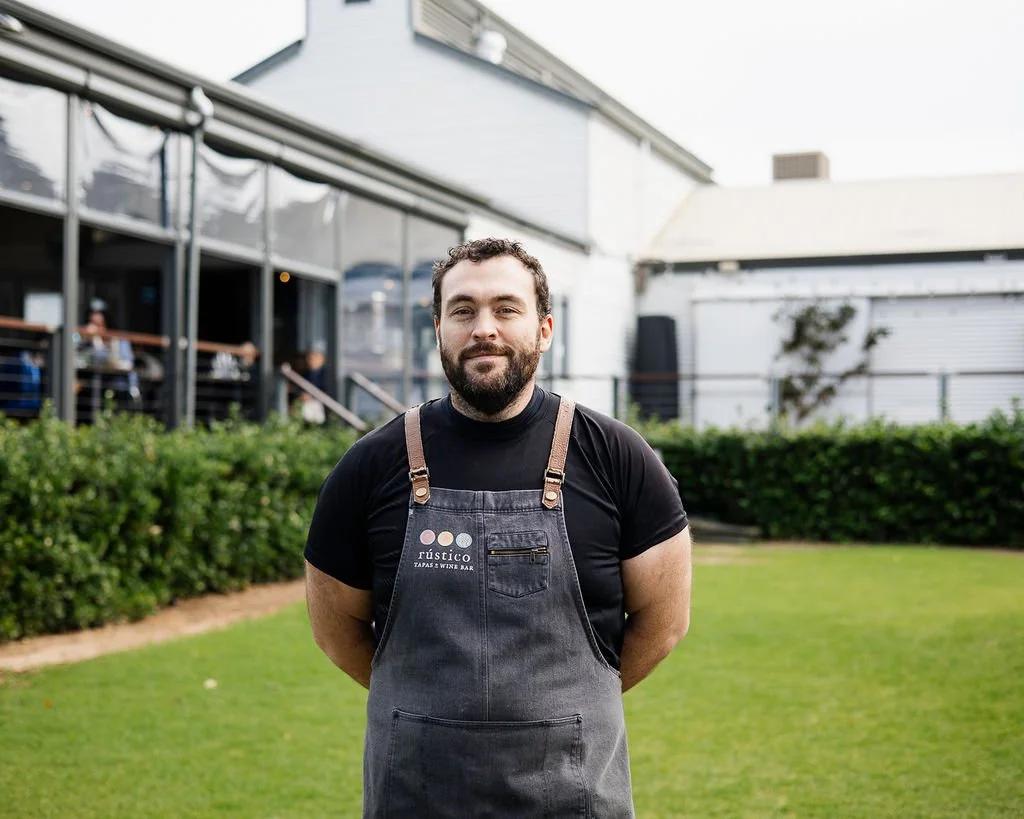
“The thing that is important is the reasons our guests come to us… to celebrate, to come together, marry, eat, sometimes cry, and on one occasion even grieve. At that moment, the important thing is the trust they must have to spend their time, often special, with us, and that we will deliver on the experience and level of enjoyment that meets the reason they came.”
“The thing that is important is the reasons our guests come to us… to celebrate, to come together, marry, eat, sometimes cry, and on one occasion even grieve. At that moment, the important thing is the trust they must have to spend their time, often special, with us, and that we will deliver on the experience and level of enjoyment that meets the reason they came.”
It all comes down to trust and time. Two very expensive commodities.
McAllister has been head chef at Rústico since inception, in 2016.
“As for our approach to the food, once we learnt to be incredibly selfish about what we cook and serve, the offerings became more enthusiastic and authentic to ‘us’.
I say selfish in the nicest way, too. We needed to move away from a space guessing what the customer wanted and telling them what they like, into one where we started cooking what we like, the flavours we wanted and the dishes we eat, food that has a little bit of our story on every plate... then we became excited, and this just flowed through to the customers and their experiences.”
Great hospitality cannot be textbook stuff; it must have emotion and connection; from the meet-and-greet all the way through to the food on the plate.
“Some of our dishes come from our mums, some from our past, previous chefs, pop-up events, and tongue-in-cheek moments. One of our current dishes is even from my eight-year-old daughter. It’s fun, good to be bringing things that are big for us to the table and selfish about why we cook them.
“I've been able to eat in some of the world's truly great restaurants and some really very good ones, too. And the big thing that sets them apart from one another isn’t the food or the service that comes with it, it’s the feeling you have when you leave. And that's what we want our customers to experience. We want them to leave and be excited to come back tomorrow.
“And just to clarify, I'm not putting us on the same pedestal as some of those places, but that doesn’t mean our customers are any less important to us.”